
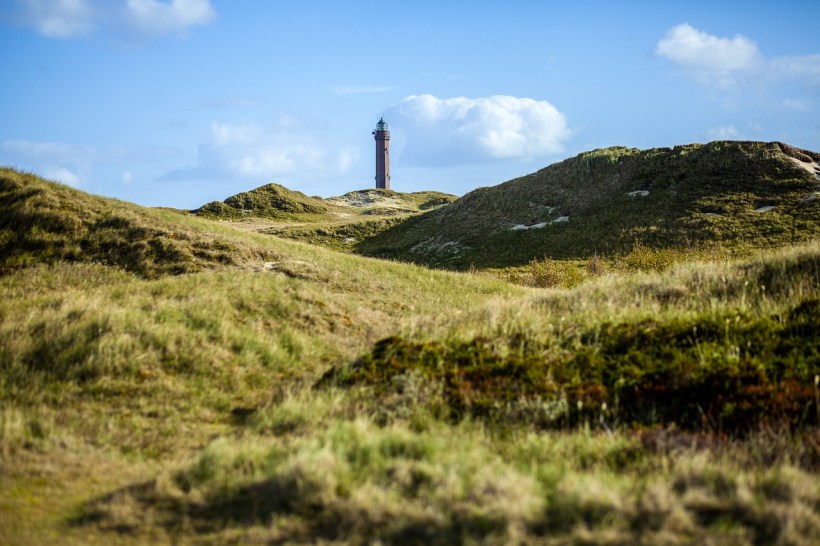
The Isle of Wight is a picturesque island located just off the southern coast of England, separated from the mainland by the Solent Strait. Renowned for its natural beauty, charming seaside towns, and rich historical heritage, it has long been a favored destination for both tourists and nature enthusiasts.
The island covers an area of around 380 square kilometers and boasts a variety of landscapes, from sandy beaches and dramatic cliffs to rolling countryside and dense woodland. Some of its most iconic natural features include The Needles, a row of striking chalk stacks rising from the sea, and the Tennyson Down, a ridge offering panoramic coastal views.
Historically, the Isle of Wight has been inhabited since prehistoric times. It played strategic roles during the Roman occupation and later during England’s medieval and Victorian eras. Queen Victoria famously made her residence at Osborne House in East Cowes, a palatial retreat that now serves as a major tourist attraction.

The island also hosts numerous cultural events throughout the year. The Isle of Wight Festival, originally launched in the 1960s, continues to draw major music acts and large audiences each summer. In addition, the island supports a vibrant sailing community, highlighted by Cowes Week—one of the world’s oldest and most prestigious sailing regattas.
Accessible by ferry or hovercraft, the Isle of Wight offers an inviting blend of history, culture, and natural splendor. Whether exploring ancient ruins, walking scenic coastal paths, or enjoying fresh seafood in a harborside pub, visitors are drawn to its unique charm and tranquil pace of life. As such, the island remains a treasured escape from the hustle and bustle of mainland England.












 Lynn's Wedding Photography